

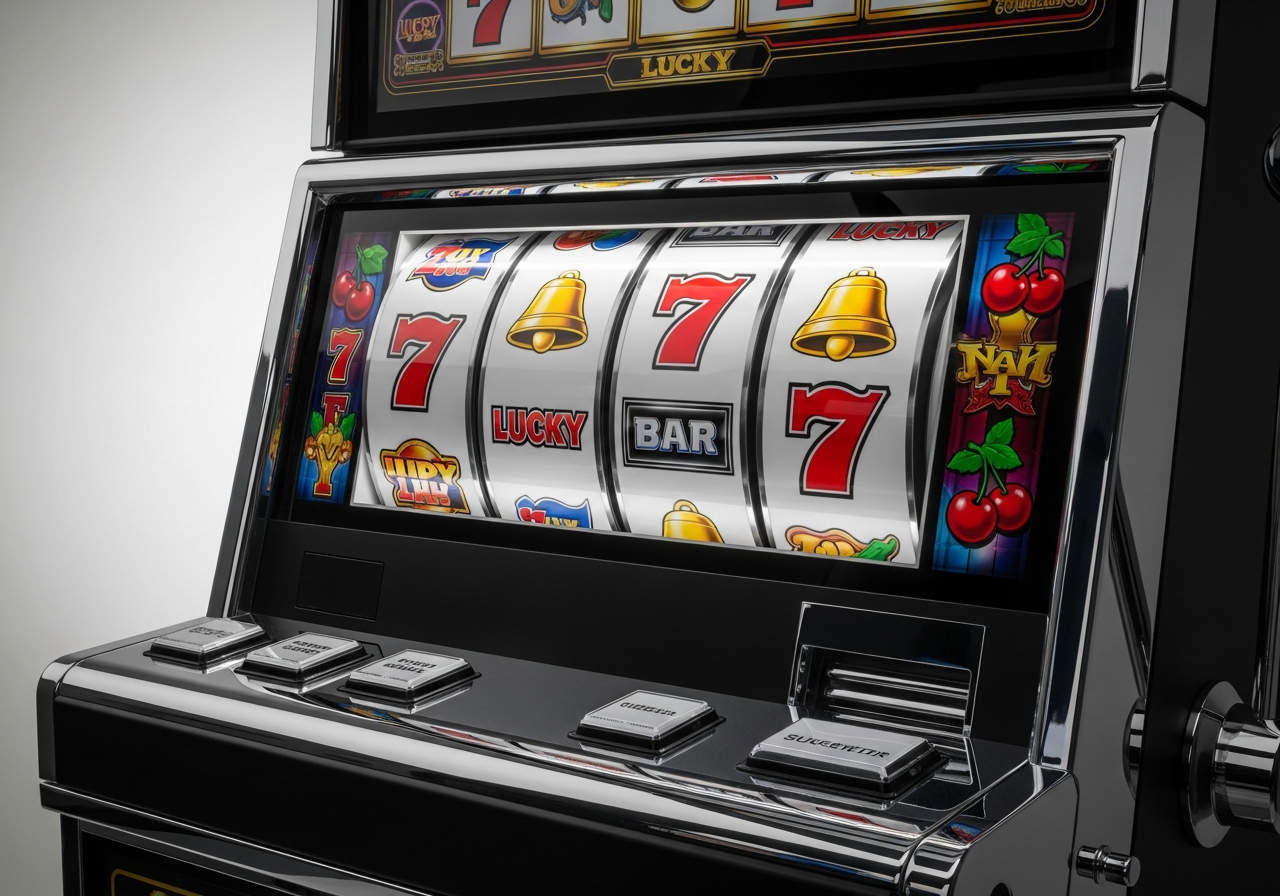
High Volatility Slot Payout Frequency
High volatility slots in America deliver a fascinating paradox that captivates millions of players nationwide. While the average slot machine maintains a hit frequency of just 20-25%, high volatility games push this even lower, sometimes dropping to 15% or less. This means players might experience winning combinations on only one out of every six or seven spins, creating extended dry spells that test patience and bankroll management skills.
Despite these infrequent wins, high volatility slots remain immensely popular across American casinos and online platforms because they offer the potential for life-changing payouts. The relationship between Return to Player (RTP) percentages and volatility creates unique gaming experiences where a single spin can deliver payouts worth hundreds or thousands of times the original bet. From the iconic Buffalo series dominating Las Vegas floors to emerging online titles regulated by individual states, understanding payout frequency becomes crucial for American players navigating an increasingly complex gambling landscape in 2026.
What is Slot Payout Frequency?
Slot payout frequency, also known as hit frequency, represents the percentage of spins that result in any winning combination, regardless of the payout size. Industry data consistently shows that most American slot machines maintain hit frequencies between 20-25%, meaning players can expect to land winning combinations on roughly one in four to one in five spins. This metric differs significantly from the overall mathematical advantage built into each game.
Understanding the distinction between hit frequency and Return to Player (RTP) percentages proves essential for American slot enthusiasts. While RTP indicates the theoretical percentage of wagered money returned to players over millions of spins, hit frequency measures how often any win occurs. A slot might offer a generous 96% RTP but maintain a low 18% hit frequency, creating longer stretches between wins but larger average payouts when they occur.
Major American slot manufacturers like IGT, Aristocrat, and Scientific Games design their games with varying hit frequencies to create distinct playing experiences. Popular titles such as Wheel of Fortune maintain higher hit frequencies around 30% to encourage extended play sessions, while jackpot-focused games like Megabucks deliberately reduce hit frequency to fund their massive progressive prizes.
Hit Rate Explained
Multiple interconnected factors influence the hit rate of slot machines across American gaming venues, from tribal casinos to state-regulated online platforms.
- Reel configuration and symbol distribution across paylines determine the mathematical probability of forming winning combinations
- Bonus feature frequency affects overall hit rates, as games with regular bonus triggers typically maintain higher base game hit frequencies
- Progressive jackpot contributions reduce hit frequency since portions of each bet fund the growing prize pools
- Regulatory requirements in different states mandate minimum hit frequency standards for consumer protection
- Casino floor placement strategies influence hit rate selection, with higher-frequency games positioned in high-traffic areas
- Denomination levels impact hit frequency design, as penny slots often feature higher hit rates to accommodate smaller bankrolls
Average Rates in US Slots
Comprehensive analysis of American slot machines reveals distinct patterns in hit frequency distribution across different gaming environments. Land-based casinos in Nevada typically feature slot machines with hit frequencies ranging from 15% for high-limit progressive games to 35% for penny denomination machines designed for extended entertainment value. These figures reflect decades of optimization based on player behavior data and revenue management strategies.
The emergence of regulated online gambling in states like New Jersey, Pennsylvania, and Michigan has introduced new dynamics to hit frequency standards. Online slots generally maintain slightly higher hit frequencies, averaging 25-30%, to compensate for the faster pace of digital gameplay and the need to retain players in competitive online environments without the atmospheric advantages of physical casinos.
High Volatility Slots Defined
High volatility slots represent the extreme end of the risk-reward spectrum in American gambling, characterized by infrequent but potentially massive payouts that can reach thousands of times the original stake. These games typically feature hit frequencies below 20%, with some ultra-high variance titles dropping as low as 12-15%. The trade-off for these extended dry spells comes in the form of substantially larger win potential when successful combinations finally align.
Popular American examples include Buffalo Blitz, which has become a staple across tribal casinos and state-regulated online platforms, delivering sporadic but explosive winning sessions. Other notable high volatility titles like Lightning Link and Dragon Link have revolutionized the American slot landscape by combining traditional spinning reels with hold-and-spin mechanics that can produce jackpots exceeding $100,000 on relatively modest wagers.
Characteristics of High Volatility
- Potential for life-changing jackpots that can reach millions of dollars on progressive networks across multiple states
- Maximum win multipliers often exceeding 5,000x the base bet, creating opportunities for substantial financial gains
- Bonus features that activate infrequently but deliver concentrated value through extended free spin sessions or multiplier accumulation
- Appeal to thrill-seeking players who prefer the excitement of chasing large prizes over consistent small wins
- Extended losing streaks that can consume hundreds of spins without significant returns, testing player patience and bankroll endurance
- Higher bankroll requirements to weather the inevitable dry spells between major winning sessions
- Increased emotional volatility as players experience dramatic swings between frustrating losses and euphoric victories
Payout Patterns
High volatility slots create distinctive payout patterns that distinguish them from their lower-variance counterparts across American gaming venues. Players frequently encounter dry spells lasting 200-300 spins or more without meaningful returns, during which small wins fail to offset the steady erosion of their bankroll. These extended periods of minimal activity represent the mathematical reality of games designed to concentrate their return percentages into fewer, larger payouts.
When significant wins finally occur, they often arrive in clusters that can quickly transform a losing session into a profitable one. This feast-or-famine dynamic has made high volatility slots particularly popular among American players who visit casinos less frequently but prefer the possibility of memorable winning experiences over predictable, modest returns.
Hit Frequency in High Volatility Slots
The relationship between volatility levels and hit frequency creates a clear hierarchy that American players can use to select games matching their risk tolerance and bankroll management strategies. Understanding these patterns becomes particularly important as more states legalize online gambling and expand the variety of available slot options.
Regulatory bodies across different American jurisdictions monitor these metrics to ensure fair gaming practices, with some states requiring operators to disclose hit frequency information to promote responsible gambling. This transparency helps players make informed decisions about their gaming choices based on mathematical realities rather than promotional marketing.
Modern high volatility slots in America often incorporate multiple volatility levels within the same game through adjustable bet configurations and bonus buy features. These innovations allow experienced players to increase their risk exposure for potentially higher rewards while maintaining baseline gameplay for more conservative approaches.
The evolution of slot mathematics in American gaming venues continues to push the boundaries of volatility design, with some new releases featuring hit frequencies below 10% while offering maximum wins exceeding 50,000x the stake. These extreme variance games cater to a growing segment of players who view slot gaming as high-risk entertainment rather than steady gambling activity.
| Volatility Level | Typical Hit Frequency | Payout Size | US Example |
|---|---|---|---|
| Low Volatility | 35-45% | Small, frequent wins | Starburst, Blood Suckers |
| Medium Volatility | 25-35% | Balanced win frequency | Gonzo’s Quest, Book of Dead |
| High Volatility | 15-25% | Large, infrequent payouts | Buffalo Blitz, Lightning Link |
| Ultra-High Volatility | 8-15% | Massive jackpot potential | Megabucks, Wheel of Fortune |
| Progressive Network | 5-12% | Life-changing jackpots | Megamillions Slots, Major Millions |
Volatility Impact on Player Strategy
High volatility slot payout frequencies fundamentally reshape optimal playing strategies for American gamblers, requiring substantially larger bankrolls and modified expectations compared to traditional slot gaming approaches. Financial experts specializing in gambling mathematics recommend maintaining bankrolls capable of sustaining 500-1,000 spins without depleting funds, accounting for the extended dry periods characteristic of high-variance games.
Session management becomes critical when engaging with high volatility slots, as the sporadic nature of significant wins demands flexible time commitments and emotional discipline. Many experienced American players adopt hit-and-run strategies, setting strict loss limits while remaining prepared to capitalize on the explosive winning potential that defines these games.
The psychological demands of high volatility gaming have led to increased awareness of responsible gambling practices across American gaming venues, with operators implementing enhanced player protection measures and educational resources specifically addressing the unique risks associated with low-frequency, high-reward slot mechanics.